
IVF Treatment in Pakistan: Process & Success Rates | Dr. Rabia Mushtaq
- 03424074915
- info@ivfhub.pk
- Contact US
What is IVF? Understanding In Vitro Fertilization
IVF, or In Vitro Fertilization, refers to a process where an egg is fertilized by sperm outside the body. The term in vitro means “in glass,” as the fertilization takes place in a laboratory rather than inside the body. Once fertilized, the embryo is transferred into the uterus for implantation, which can lead to pregnancy.
While IVF treatment is commonly referred to as the test tube baby procedure, it’s a more advanced method that involves meticulous care to ensure the best chances for pregnancy. IVF has become a crucial treatment for those facing infertility issues, and is frequently used when other treatments, such as IUI (Intrauterine Insemination), have been unsuccessful.
When is IVF Treatment Necessary?
There are several reasons why IVF treatment might be recommended. These include:
- Female Infertility: Women with blocked fallopian tubes, ovulation disorders, or conditions such as endometriosis may benefit from IVF.
- Male Infertility: Low sperm count, poor sperm motility, or other sperm-related issues can make IVF the best option for conception.
- Unexplained Infertility: In some cases, no clear cause of infertility is found, and IVF is used as a solution.
- Same-Sex Couples or Single Parents: IVF allows same-sex couples or individuals to become parents through egg donation, sperm donation, or surrogacy.
In such cases, a consultation with an experienced IVF specialist, such as Dr. Rabia Mushtaq, can help guide the best course of treatment.
The IVF Process: A Step-by-Step Guide
The IVF procedure involves several carefully timed steps to maximize the chances of success. Here’s a breakdown of what to expect:
1. Ovarian Stimulation
The first step in IVF is ovarian stimulation. To achieve this, IVF injections containing hormones like FSH (Follicle Stimulating Hormone) and LH (Luteinizing Hormone) are administered. These medications help stimulate the ovaries to produce multiple eggs, rather than just one, increasing the chances of fertilization.
2. Egg Retrieval
After ovarian stimulation, the mature eggs are retrieved through a procedure called egg retrieval. This is typically done under sedation and guided by ultrasound. A needle is used to collect the eggs from the ovaries.
3. Fertilization
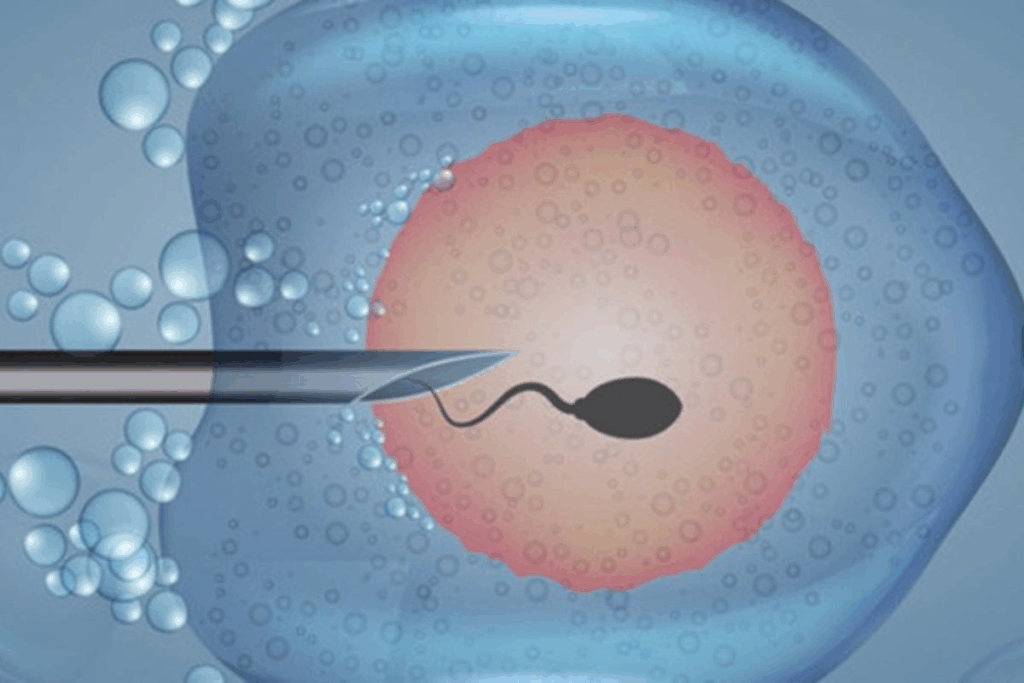
Once the eggs are retrieved, they are combined with sperm in a laboratory setting. In cases of male infertility, ICSI (Intracytoplasmic Sperm Injection) may be used, where a single sperm is directly injected into an egg. Otherwise, traditional fertilization methods are employed.
4. Embryo Culture
After fertilization, the embryos are cultured in the lab for several days. The embryologist will monitor their growth to select the best embryos for transfer.
5. Embryo Transfer
Once the embryos are ready, one or more are selected and transferred into the uterus. This procedure is typically painless and involves placing the embryos into the uterus using a thin catheter.
6. Pregnancy Test
Two weeks after the embryo transfer, a pregnancy test is performed to determine whether the IVF was successful. If successful, an ultrasound will follow to check for the heartbeat of the fetus.
IVF Treatment Cost in Pakistan
The cost of IVF varies significantly depending on the country and clinic. In Pakistan, the cost of an IVF cycle generally ranges between PKR 200,000 to PKR 500,000. However, additional costs for medication, egg retrieval, IVF injections, and genetic testing may apply.
It is essential to inquire about the clinic’s pricing structure to understand what is included in the overall cost. While IVF can be expensive, many people find that the investment is worth it for the chance to conceive.
Success Rates of IVF
Success rates for IVF vary based on several factors, such as:
- Age: Women under 35 tend to have higher success rates with IVF.
- Egg and Sperm Quality: The quality of eggs and sperm is a critical factor in determining IVF success.
- Health of the Uterus: A healthy uterus is essential for embryo implantation.
- Clinic and Doctor Expertise: The experience and skill of the fertility clinic and its doctors, such as Dr. Rabia Mushtaq, play a significant role in success rates.
On average, the success rate of IVF for women under 35 is approximately 40-50%. However, these rates decrease with age, particularly after 40.
Finding the Best IVF Doctor and Fertility Clinic
Choosing the right fertility clinic and IVF doctor is crucial. Here are some tips to help you make an informed decision:
- Experience: Look for a clinic with high success rates and years of experience in IVF treatments.
- Doctor’s Expertise: Dr. Rabia Mushtaq is known for her extensive expertise in reproductive medicine and IVF treatments. Seeking a doctor with strong credentials can greatly improve your chances of success.
- Patient Care: The clinic should offer emotional support and personalized care throughout your IVF journey.
- Technology: Advanced IVF centers use the latest technologies and techniques to increase success rates.
Searching for “IVF center near me” or “fertility clinic near me” can help you find a clinic that is convenient and highly recommended.
Test Tube Baby Procedure: Debunking the Myths
The term test tube baby procedure is commonly used when referring to IVF. However, this term can be misleading. IVF involves fertilizing the egg outside the body, but it’s far more sophisticated than simply using a “test tube.” The fertilization happens in a lab dish, not a test tube, and the process is far more controlled and medically supervised.
Patient Experience
“Dr. Mushtaq’s expertise made my emergency C-section a calm, controlled experience despite the urgency. Her surgical skill was matched by her compassion and attention to detail during my recovery. I felt safe and well-cared for throughout the entire process.” – Rebecca
Schedule Your Breech Consultation
If you need to discuss cesarean delivery options or have questions about surgical birth, Dr. Mushtaq provides expert guidance and care.
Contact Information
Dr. Rabia Mushtaq is committed to providing safe, compassionate, and skilled surgical delivery care for mothers requiring cesarean section.